Ride-Hailing
Uber entered the Nigerian market.
Published 22 June 2026 · Last updated 2 August 2026
Ride-hailing introduced Nigerian cities to a standardized transport model built on remote booking, vehicle tracking, and price accountability. Acquiring a vehicle to operate on platforms like Uber evolved into an ambition for young Nigerians, creating a saturated labor market and depressing net driver returns across major urban centers.
Ride-Hailing
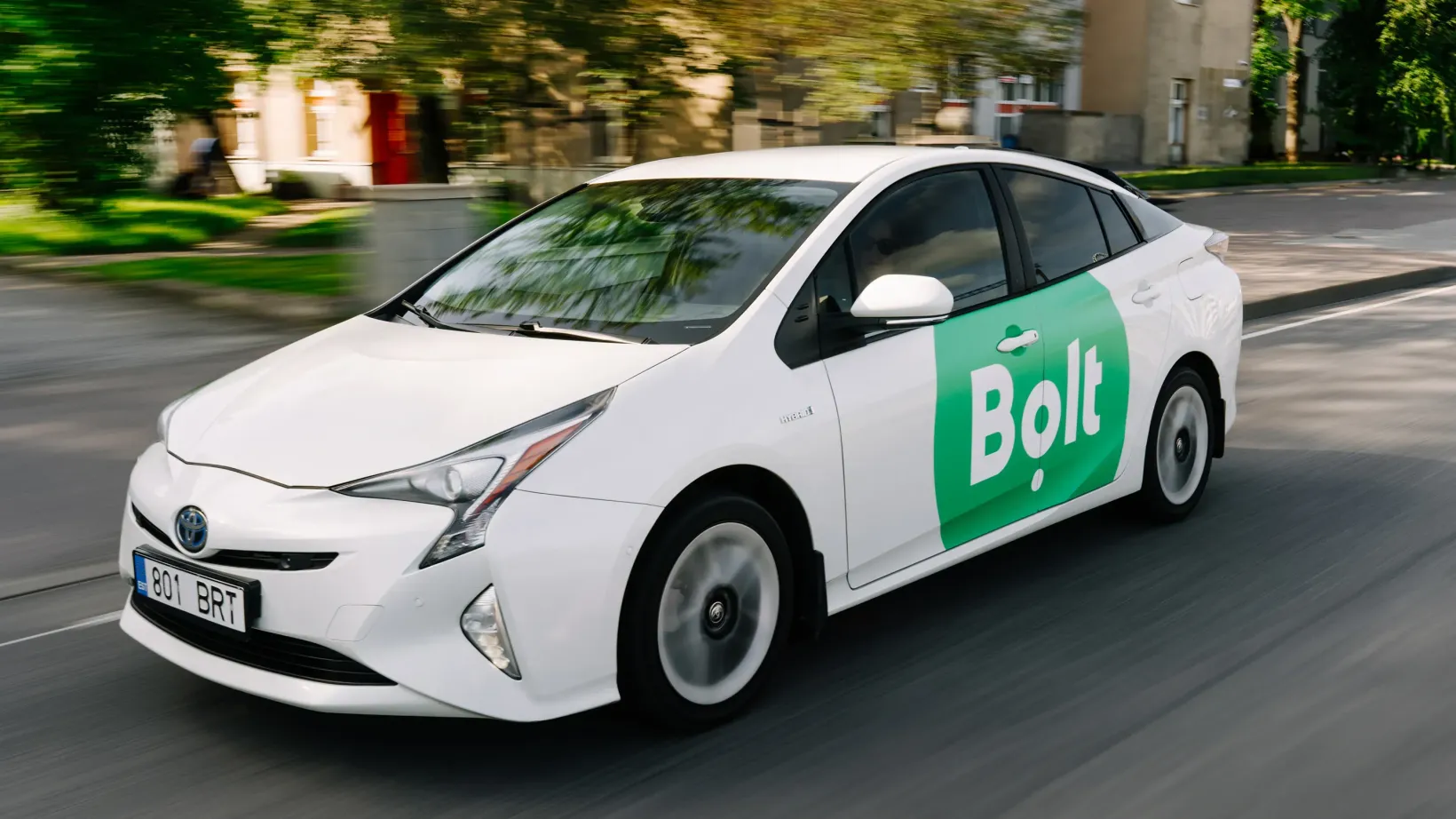
- Also known as
- Uber work, Bolt driving
- Arrived
- July 2014, Uber in Lagos
- Key players
- Uber, Bolt, inDrive, the departed okada apps
- Golden age
- 2015 to 2019
- Method of ruin
- Driver flood, fare wars, fuel prices
- Side casualty
- Gokada, ORide and Max, banned 2020
- Current status
- Saturated but indispensable
Category Business & Hustle
Contents
Background
Uber launched operations in Nigeria through Lagos in July 2014 as a reliable private transport alternative. The service provided set fare calculations and standardized vehicle requirements, replacing the unmetered cash pricing common to traditional street taxis. Taxify entered the market in 2016, undercutting Uber on passenger rates and driver commissions before rebranding as Bolt in 2019 to achieve market leadership by volume. inDrive introduced a bid-based model designed for mutual fare negotiation between passengers and drivers. In practice, drivers adapted the mechanism strictly to revise fares upward, systematically selecting price increases instantly upon receiving ride prompts without evaluating baseline rates.
The rush
Platform driving transitioned from a supplementary income source into a primary employment strategy. Vehicle owners deployed personal vehicles to generate immediate cash flow and offset ownership costs. Hire purchase schemes multiplied, operating on financial projections that a used vehicle could achieve full capital cost recovery within 2 years. Salaried workers accepted trips during non-working hours, while fleet management companies marketed turnkey investment packages to diaspora investors. The broad entry across urban demographics resulted in accelerated vehicle supply growth that quickly outpaced passenger demand.
The okada interlude
Between 2018 and 2020, tech-enabled motorcycle platforms attempted to address severe urban traffic congestion in Lagos. Companies such as Gokada, Max.ng, and ORide deployed venture-funded fleets of commercial motorcycles equipped with GPS tracking and standardized safety equipment. These services offered shorter transit times and lower price points compared to four-wheel vehicles. In early 2020, municipal regulatory authorities enacted a prohibition on commercial motorcycles across primary roadways and major transit routes. The policy shift eliminated passenger motorcycle-hailing operations in the metropolis, forcing surviving platform operators to pivot toward freight logistics, food delivery, or vehicle financing.
The saturation
Market entry barriers remained minimal while economic pressures in major urban centers intensified. Currency devaluation, rising inflation, and escalating fuel costs increased daily operational overhead for vehicle operators. Platform commission structures simultaneously absorbed substantial portions of gross trip earnings. Driver profit margins compressed, rendering vehicle operation a low-margin income strategy. High driver supply relative to active passenger demand reduced individual trip frequency and gross daily receipts. Operating hours extended across driver demographics as individuals attempted to offset fixed asset costs and inflation. Vehicle maintenance standards declined across active platform fleets under sustained financial pressure.
The experience ruined today
Macroeconomic pressure generates high operational friction within daily ride-hailing interactions. Fuel price increases prompt driver avoidance of standard automated pricing models in favor of direct financial negotiation. Bidding platforms like inDrive allow operators to counter passenger fare proposals, raising market prices prior to trip acceptance.
Drivers request off-app cash transactions or offline fare adjustments following initial booking confirmation. Unrecorded cash trips following cancelled platform requests constitute a common operational outcome. Driver-passenger interactions frequently involve disputes concerning air conditioning usage, route selection, and payment options as operators attempt to reduce fuel consumption and platform commission deductions.
Where it stands
Ride-hailing in Nigeria faces structural market saturation rather than total decline. New operators continue entering the sector as an income strategy years after peak profitability, consistent with recurring patterns in low-barrier labor markets.
Further reading
- Uber launch in Lagos, July 2014 — BellaNaijaContemporaneous launch coverage, July 2014; Ice Prince took the first ride. Link verified 14 July 2026.
- Taxify entry 2016 and rebrand to Bolt — Techpoint AfricaTaxify entered 2016 undercutting Uber on price and commission; global rebrand to Bolt in 2019 (qz.com/africa/1568416). Link verified 14 July 2026.
- Lagos okada ban of February 2020 and its effect on Gokada, ORide and Max.ng — TechCabalBan effective 1 February 2020; Gokada laid off 70 percent of staff and pivoted to delivery. Link verified 14 July 2026.
- AUATON strikes and driver earnings disputes — NairametricsAUATON three-day strike, March 2026; demands included cutting the roughly 30 percent commission and minimum base fares. Link verified 14 July 2026.
- Fuel subsidy removal, May 2023, and transport economics — Rest of WorldFuel nearly tripled after May 2023; Uber raised base fares 40 percent, Bolt 17 percent, drivers demanded 200. Link verified 14 July 2026.
- Hire purchase and fleet schemes for ride-hailing cars — ZikokoNaira Life account including a 1.4m naira hire-purchase Sienna; more hire-purchase accounts worth adding. Link verified 14 July 2026.
Filed underTransportSaturationMarket rushHustle
Know more about this, or something to add? Suggest an addition to this entry →
Something here out of date? Tell us what changed →