The Ponzi Scheme
A Russian mathematician promised 30% to a recession-hit nation.
Published 13 July 2026 · Last updated 9 August 2026
MMM Nigeria arrived in 2015, flourished spectacularly through the 2016 recession, froze accounts that December and took the savings of millions with it. It also trained a generation in ponzi mechanics, and the graduates have been founding successor schemes ever since.
The Ponzi Scheme
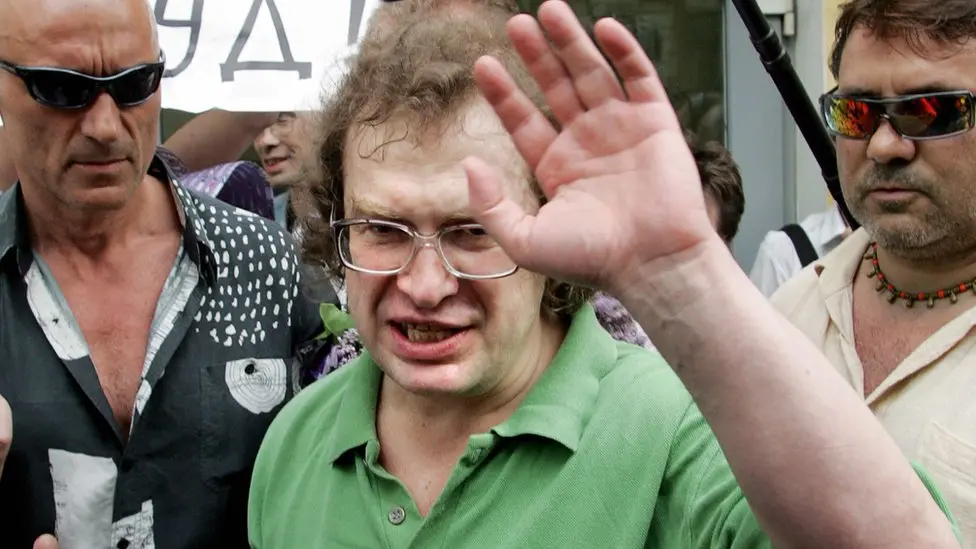
- Arrived
- Late 2015
- The promise
- 30 percent monthly
- The vocabulary
- PH, GH, guiders, mavro
- The freeze
- 13 December 2016
- Estimated reach
- About 3 million participants, figures to verify
- Notable descendants
- Loom, Racksterli, 86FB, CBEX
- Current status
- Dead; permanently reincarnating
Category Business & Hustle
Background
Sergei Mavrodi was already infamous in Russia for the original MMM collapse of the 1990s when his franchise arrived in Nigeria around late 2015. The local edition, MMM Nigeria, promised thirty percent monthly returns through a structure it insisted was not a Ponzi but a mutual aid community. Members did not invest; they provided help, PH, in the community's vocabulary, and later got help, GH, from newer members. The euphemism did a lot of work, and so did the timing: Nigeria entered recession in 2016, salaries stalled, and a scheme that turned one hundred thousand naira into one hundred and thirty appeared exactly when it was needed.
The boom
MMM Nigeria grew into one of the scheme's largest markets anywhere. Guiders, the scheme's evangelists, ran seminars in hotel halls and church-adjacent venues, recruiting downlines with the fervour of a revival. Testimonies flooded Facebook. Regulators shouted into the wind: the CBN and SEC issued repeated warnings, the House of Representatives debated it, and participation only grew, because the warnings came from institutions that had never paid anybody thirty percent. Estimates later put participation at around three million Nigerians, with losses in the billions of naira, figures that circulated through NDIC statements and need careful verification because they hardened into folklore long ago.
The freeze
On 13 December 2016, MMM Nigeria froze all accounts, citing systems overload and the holiday season, and promised to return in the new year. The date is burned into national memory: Christmas funds, school fees, and small business capital all locked in a website that had always given. The scheme limped back in January 2017, paid out fragments, and collapsed for good. Mavrodi died in Moscow in March 2018, mourned in some Nigerian comment sections with fond memories of the good, the bad, and the ugly aspects of the scheme.
The graduates
The real legacy was more educational in value than most would've expected at the time of the initial crisis. MMM taught millions of Nigerians the mechanics, vocabulary and adrenaline of circular money, and the graduates went on to found or fill every successor: Ultimate Cycler, Icharity, Twinkas, Loom in 2019, Racksterli and its celebrity endorsements, 86FB dressing the wheel in football betting clothes in 2022, and CBEX in 2025, whose collapse drew crowds to physical offices as if the money might still be inside the building. Each generation is told it is different. Each generation has a new name for providing help. The infrastructure of the hustle, the guider seminars, the testimony screenshots, the WhatsApp trees, has never once been truly dismantled; it just keeps changing letterhead.
What was actually ruined
Beyond the savings, MMM ruined a particular kind of trust. Community savings culture, the esusu and ajo traditions that had moved money between neighbours for generations, now shares a vocabulary with fraud. Every genuine cooperative now fights the suspicion MMM earned. And a permanent template was installed: whenever the economy tightens, a scheme appears wearing lofty promises, and a nation that has seen this film before buys another ticket, because that is the quintessential nature of the Nigerian hustle.
Where it stands
MMM itself is history. The ecosystem it trained is a permanent feature of the economy, the thirty percent irreversibly altered our perception of investments and interests, as a group, especially in times of economic crisis. There is always a reliable scheme following a major collapse every two to three years, wearing a new letterhead and promising returns no bank could match.
Further reading
- MMM Nigeria account freeze, 13 December 2016 — VanguardThe 13 December 2016 freeze announcement and same-day panic. Link verified 14 July 2026.
- CBN and SEC warnings against MMM, 2016 — SEC NigeriaSEC public alert naming MMM an unregistered Ponzi; CBN issued parallel warnings in 2016. Link verified 14 July 2026.
- NDIC and other estimates of participation and losses — The ICIRThree million participants and the N18bn NDIC loss estimate; original NDIC statement still worth locating. Link verified 14 July 2026.
- Sergei Mavrodi obituary, March 2018 — RFE/RLDied 25 March 2018, age 62; ran MMM in Russia in the 1990s then relaunched across India, China, South Africa, Zimbabwe and Nigeria from 2011. Link verified 14 July 2026.
- Successor schemes: Ultimate Cycler, Twinkas, Loom, Racksterli, 86FB — PunchTimeline covering Ultimate Cycler, Twinkas, Loom, Racksterli, MBA Forex and CBEX; NDIC put 23-year Ponzi losses near N911bn. Link verified 14 July 2026.
- CBEX collapse and office crowds, April 2025 — TechCabalTies the ponzi lineage to the present; loss figures disputed (see the forex-crypto-academies entry). Link verified 14 July 2026.
- Esusu and ajo cooperative savings traditions — Global Informality ProjectEsusu (Yoruba ajo, Hausa adashe): rotating savings held together by personal trust and reputation, predating banks. For the trust-damage section. Link verified 14 July 2026.
Filed underSaturationPonziMarket rushHustle
Know more about this, or something to add? Suggest an addition to this entry →
Something here out of date? Tell us what changed →